New vaccine offers fresh hope for controlling whooping cough
A clinical trial at University Hospital Southampton has shown a new vaccine could offer better protection against whooping cough.
This follows a new report that highlights that 2024 whooping cough numbers were at their worst in 30 years.
Whooping cough is a serious and sometimes deadly disease. It affects millions of people worldwide each year.
Vaccines for whooping cough are already part of routine childhood immunisations in the UK. However they don’t provide lifelong protection. They also don’t stop people from carrying and spreading the bacteria.
The vaccine, called BPZE1, was tested in a trial at the NIHR Southampton Clinical Research Facility (CRF).
The new study is the first to show that a vaccine can stop the bacteria that cause whooping cough from living in the nose and throat. This is a key step in preventing the spread of infection. With further trials and regulatory approval, this vaccine could be given to adults or children.
The trial was sponsored by ILiAD Biotechnologies. It was delivered in partnership between University Hospital Southampton, the University of Southampton and the University of Oxford.
Whooping cough is a highly contagious infection that affects the lungs and airways. It can be especially dangerous for young babies, particularly before they can complete their first doses of vaccine.
Last week, the UK Health Security Agency published its Annual Pertussis Report for 2024. The data shows that 2024 was particularly bad for pertussis disease - another name for whooping cough. There were 14,879 cases, the highest number of confirmed cases seen in England since enhanced surveillance began in 1994.
The report explains that pertussis peaks every 3-5 years. COVID-19 social-distancing control measures led to very low disease levels from 2020 until 2023, when cases started to increase. This led to the 2024 resurgence. Tragically, 11 babies with pertussis died in 2024.
The CHAMPION-1 study tested whether BPZE1 – a weakened version of the whooping cough bacteria – could safely protect people from infection. The vaccine was given as a single spray into the nose.
A total of 53 adult volunteers took part in the trial at the NIHR Southampton CRF and in Oxford. Two to four months after receiving either the vaccine or a placebo, participants were exposed to the bacteria in a carefully controlled setting. They then stayed in a quarantine facility for 16 nights, where researchers monitored their health and collected samples.
Before leaving, all participants were given antibiotics to clear any remaining bacteria. The results, now published in The Lancet Microbe, show that BPZE1 was safe and well tolerated, with no serious side effects. Most people who received the vaccine had little or no bacteria in their nose after being exposed. This means they could be less likely to pass the infection on to others.
The vaccine also triggered strong immune responses in both the nose and the blood. This could suggest it offers long-lasting protection.
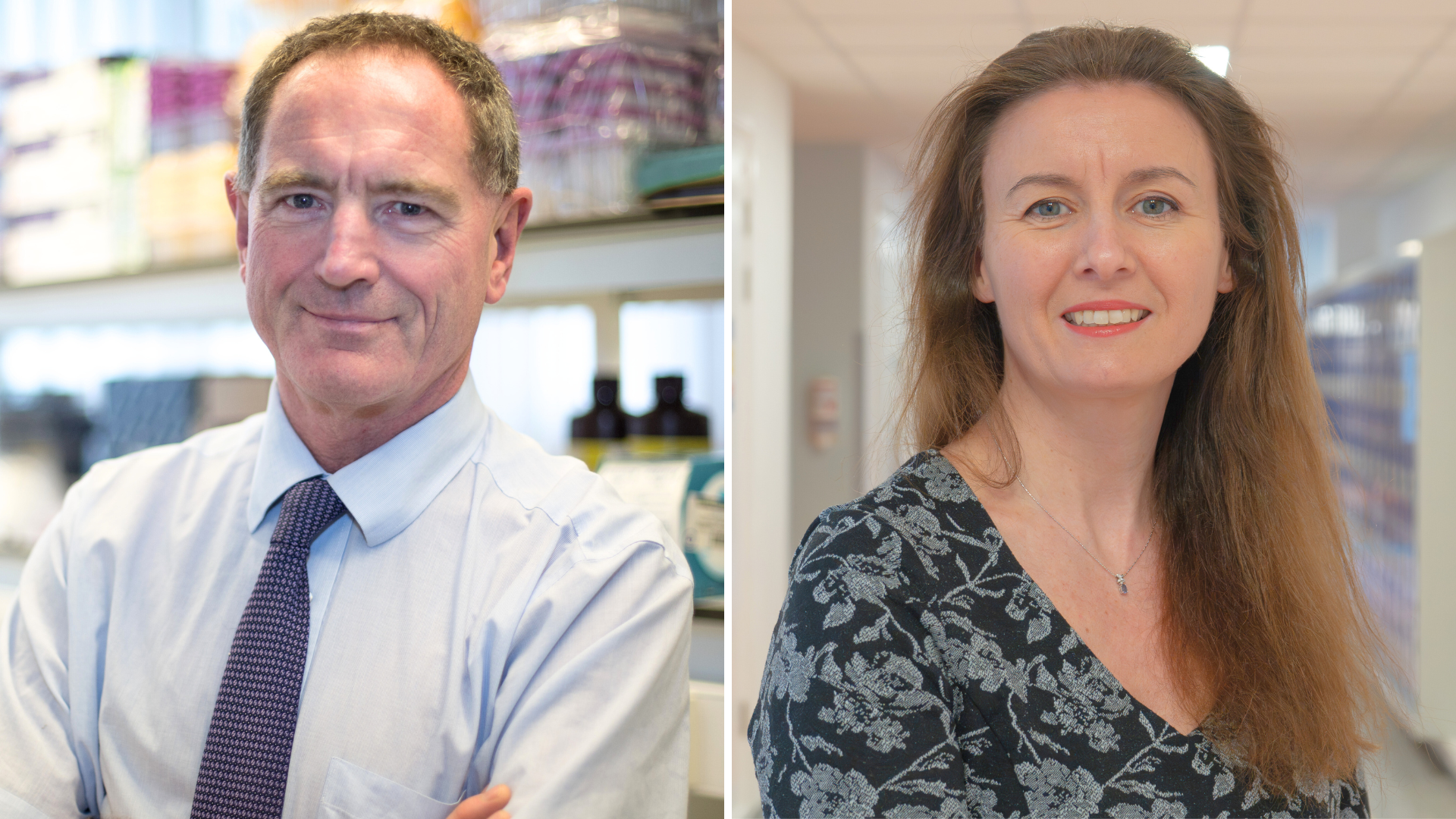
Professor Robert Read, who led the study at the NIHR Southampton Biomedical Research Centre, said: “This is the first time a whooping cough vaccine has been shown to prevent the bacteria from colonising the nose and throat in humans. That could represent a big step forward in stopping the spread of the disease.”
The trial was designed using a world-first whooping cough controlled human infection model. This was developed at the University of Southampton as part of the international PERISCOPE consortium.
Dr Diane Gbesemete, Principal Investigator at University Hospital Southampton, said: “Despite high vaccination rates, we’re still seeing outbreaks of whooping cough. This study shows that BPZE1 has the potential to offer better protection and help reduce transmission.”
ILiAD Biotechnologies, the company developing BPZE1, plans to begin Phase 3 trials next year. These larger studies will test the vaccine in more people and could lead to it being approved for wider use.
Dr Stephanie Noviello, Chief Medical Officer at ILiAD, said: “These results represent a major milestone in the global public health effort to control whooping cough. For more than a decade, ILiAD has been committed to stopping B. pertussis where it lives – the human upper respiratory tract. We still have a lot of work to do, but this is far and away the best evidence to date that we can fulfil our mission to eradicate all disease due to the bacteria that causes whooping cough.
“My deep appreciation to everyone who contributed to this study, especially the study participants. Without them, the achievement of this important milestone would not be possible.”
Public Health Minister Ashley Dalton said: "This government-supported trial marks a major breakthrough in our fight against whooping cough.
"Unlike the existing vaccine for pregnant women, which protects babies in the womb and prevents nine out of 10 infant deaths, this new nasal spray vaccine works in a completely different way – by stopping the bacteria from living in the nose and throat. That means it could cut transmission and offer longer-lasting protection for everyone, not just newborns.
"It’s a powerful showcase of the UK’s world-class research sector driving innovation to protect future generations."
The UK has offered a pertussis vaccine to pregnant women since 2012, the previous big outbreak. This means they can transfer immunity to their baby in the womb and help protect them in their first weeks of life.
Since the introduction of this vaccine, most of the infant deaths with pertussis have been in babies born to mothers who were not vaccinated in pregnancy. The effectiveness of the prenatal vaccine has been consistently high. The latest estimate shows it provides 91% protection against infant death.