Research brings hope for intensive care survivors experiencing post-traumatic stress
Survivors of intensive care who experience post-traumatic stress could benefit from a specialist type of talking therapy, according to new research led by University Hospital Southampton.
Around 200,000 people survive a stay in intensive care in the UK each year, and around one in four experience significant symptoms of post-traumatic stress. If left untreated, these symptoms can last for years.
The EMERALD study, which was delivered through the National Institute for Health and Care Research (NIHR) Biomedical Research Centre: Southampton, assessed Eye Movement Desensitisation and Reprocessing (EMDR) therapy at three NHS hospitals.
Its findings, published in The Lancet series’ eClinicalMedicine, show the therapy is both feasible and acceptable for patients recovering from critical illness. The early results were very encouraging, with greater improvements in post-traumatic stress symptoms among those offered EMDR.
EMDR is a type of talking therapy that helps individuals heal from trauma, anxiety and PTSD by altering how distressing memories are stored in the brain. Delivered one-on-one by certified clinicians over 6 to 12 weekly sessions, EMDR uses bilateral stimulation - such as guided side-to-side eye movements, auditory tones, or rhythmic taps - while the client briefly focuses on a traumatic memory.
It is a recommended treatment for PTSD following other types of trauma and is available through some NHS mental health services, although access varies across the country.
However, intensive care can involve severe physical illness, sedation and delirium, which may affect memories and recovery in different ways. Researchers therefore need to test carefully whether EMDR is effective for this particular group. It is not routinely offered as part of critical care recovery.
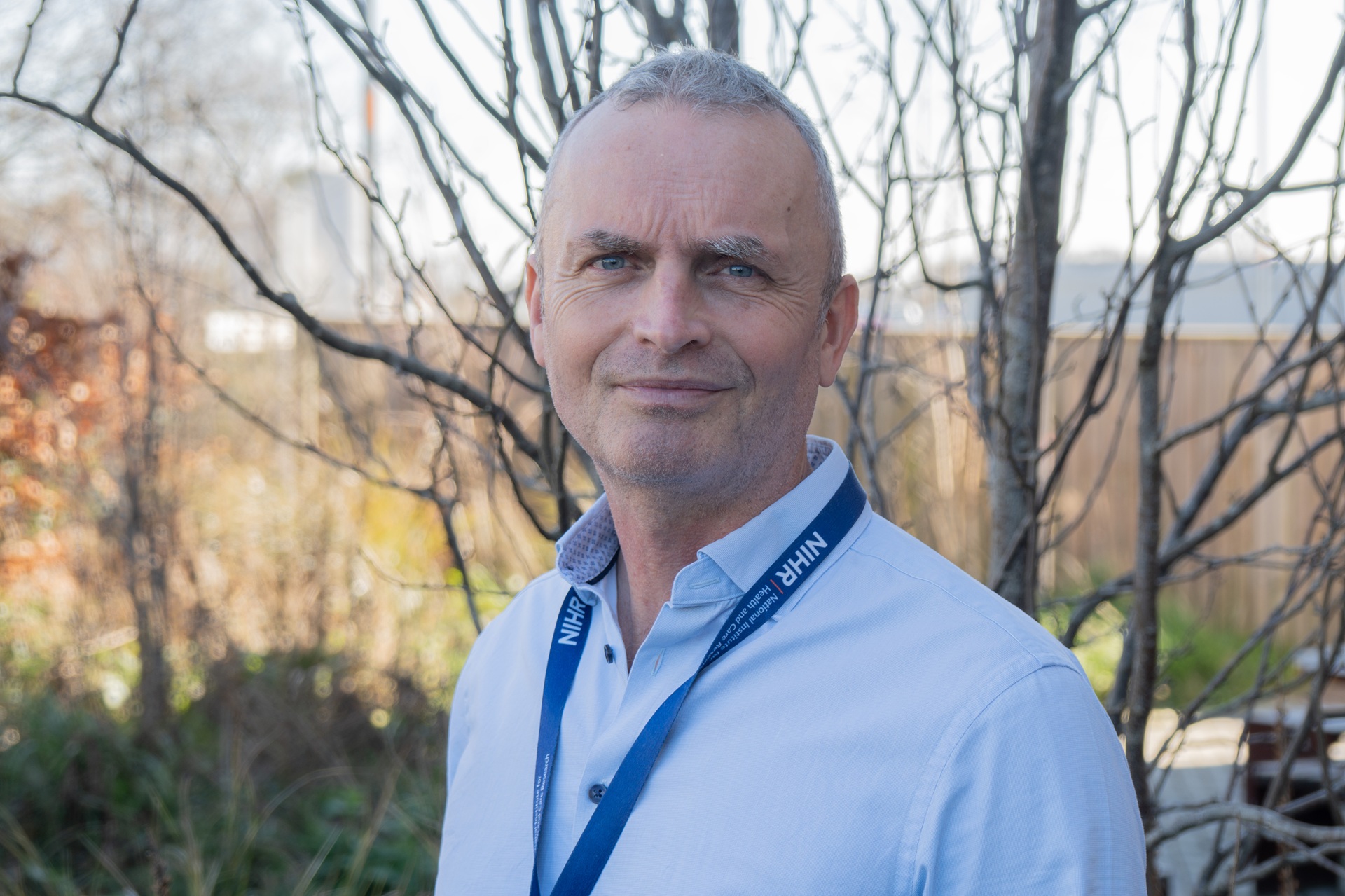
Dr Andrew Bates, Chief Investigator of the EMERALD study and Research Fellow at University Hospital Southampton, said:
“Many people survive critical illness but continue to live with the psychological impact of what they experienced in intensive care. Patients often tell us that frightening memories, nightmares and anxiety can persist long after they have recovered physically. Trying to manage these symptoms alongside an already complicated physical recovery can place an enormous burden on patients and families.
“Our study shows that it is possible to identify these patients, offer them specialist trauma-focused support and keep them engaged with treatment. The early results are very encouraging, but this was a small study. The next step is a much larger national trial to find out whether EMDR improves symptoms and helps people rebuild their lives. This could provide the evidence needed for it to become part of NHS critical care recovery pathways.”
Dr Bates was first motivated to start the research after he himself benefited from EMDR therapy when he was affected by a difficult clinical situation at work.
He is part of the UHS Research Leaders Programme and has recently secured two awards from the NIHR to help take this study to its next stage.
The EMERALD study followed intensive care unit (ICU) survivors after discharge and identified those with clinically significant symptoms of post-traumatic stress. Participants were then randomly assigned to receive either EMDR alongside usual care or usual care alone.
The study engaged 160 ICU survivors, with 40 taking part in the randomised trial. Researchers found high levels of engagement with treatment and follow-up. Three quarters of participants who started therapy completed a full course of treatment. No treatment-related serious adverse events were reported.
Professor Mike Grocott, Director of the NIHR Biomedical Research Centre: Southampton and Theme Lead for Perioperative and Critical Care, said:
“Surviving critical illness is only the first step in recovery. These findings offer real hope that we can better support the thousands of people who experience post-traumatic stress symptoms after intensive care and move towards more personalised recovery pathways for patients and families.”
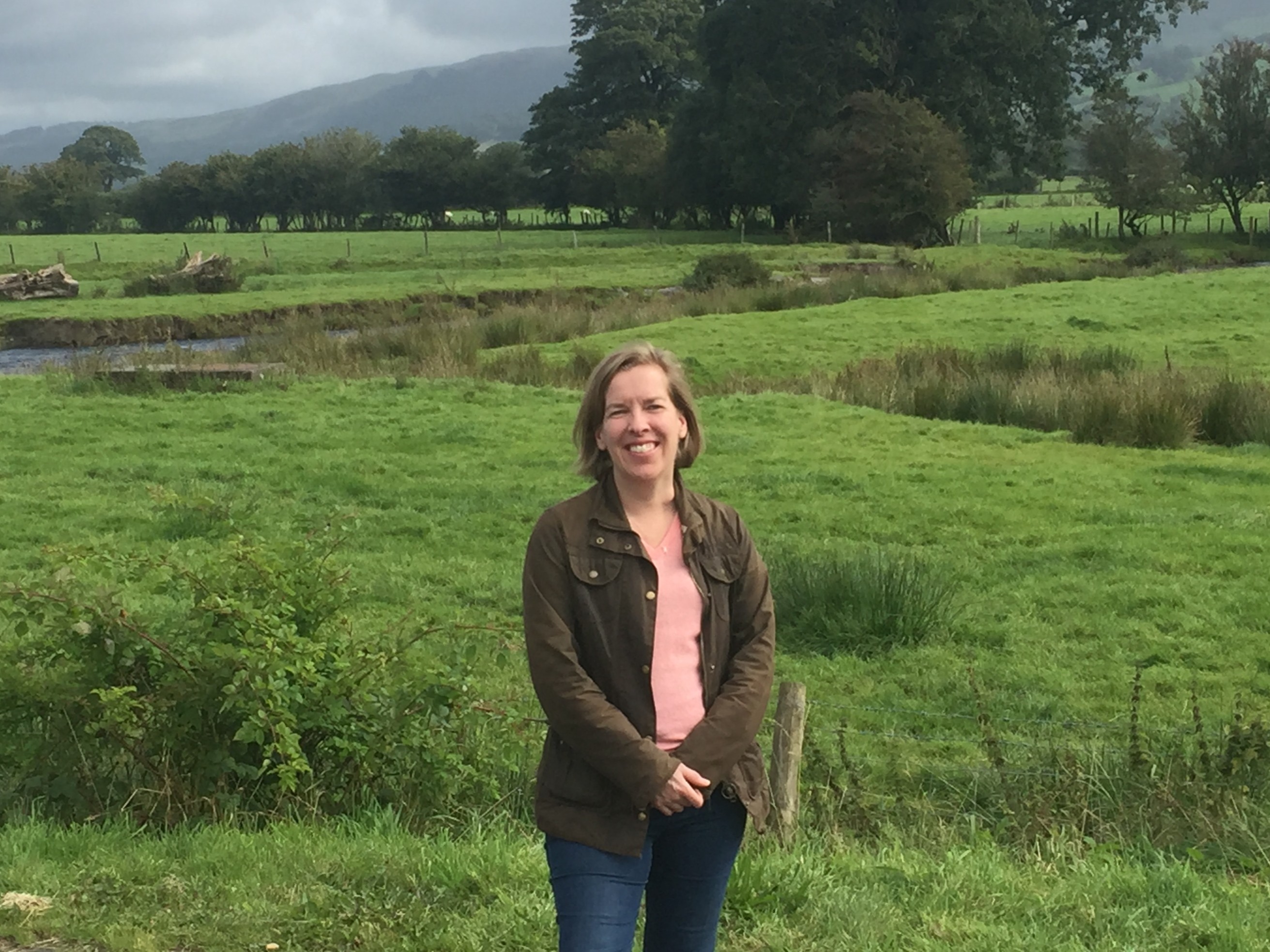
In January 2024, Hazel Southam from Hampshire was rushed to hospital with the sudden onset of a rare autoimmune condition. Her body was mistakenly attacking healthy tissue in her lungs.
She spent over two months in hospital in Southampton and London, including 43 days in intensive care and three weeks in an induced coma.
“I couldn’t breathe and thought I had died at one point,” she explained. “I was well cared for but experienced delirium, probably because of the medication. I was later told that I had post-ICU PTSD.”
Hazel privately underwent two rounds of EMDR therapy.
“It made a huge difference,” she said. “After 10 months of insomnia caused by the PTSD, I was finally able to sleep. This therapy isn’t a nice-to-have; it’s essential. There needs to be a recovery of the mind as well as a recovery of the body.
“I now live a relatively normal life, but the shadow of the illness is still there and has changed me in every way.”
Hazel met Dr Bates during her treatment at UHS. She is now a central public contributor in the continuing research and a co-author in the new paper.
“I want to bring good for other people out of my bad experience,” she explained. “This research is one way to do this and could make a dramatic difference to people’s chances of living a full life.”
Dr Esther Mukuka, NIHR Director of Research Inclusion, said:
"Including the public in the design of clinical research is good science – it’s what makes research work for people across the UK and beyond. Hazel's experience is a prime example of how research that is intentionally designed, conducted and communicated with the public's involvement produces rigorous, generalisable, and impactful science that benefits the entire population.
“NIHR is funded by the public for the public, working with everyone in our society. By listening to diverse communities across the nation, our research stays focused on the health and care outcomes that will make the biggest difference to people’s lives."
Dr Bates added: “I have been humbled by the patients who have so willingly given their time and shared difficult experiences to make this research possible. Research is strongest when it is shaped by the people it is intended to help, and it has been a delight to have Hazel as a central member of our team. Her lived experience helps us ask better questions and makes the research stronger.
“Through this partnership, we want to see the psychological impact of intensive care recognised earlier and people offered the best possible support.”