Southampton families helping shape the future of newborn screening
Hundreds of expectant and new mothers have now taken part in a groundbreaking national study at University Hospital Southampton (UHS).
The Generation Study is exploring whether testing newborn babies could help identify more than 200 rare but treatable genetic conditions, often before any symptoms appear.
Since the study launched in Southampton, families giving birth at Princess Anne Hospital have embraced the opportunity to take part in the world-leading research study. This testing is free for families, safe for babies and takes place shortly after birth.
The study, which is led by Genomics England in partnership with NHS England, aims to recruit 100,000 babies nationally. It uses whole genome sequencing to look for genetic conditions where early diagnosis could lead to earlier treatment and improved outcomes.
Dr Linden Stocker, consultant in fetal maternal medicine at UHS and the local lead for the study, said: "We are incredibly grateful to the hundreds of local families who have already chosen to take part in the Generation Study. Their support is helping us build a better understanding of how genomic medicine could benefit future generations."
Parents are introduced to the study during pregnancy and can choose whether they would like their baby to take part. Shortly after birth, and with parental consent, a small blood sample is collected, usually from the umbilical cord. The sample is then analysed by NHS scientists using whole genome sequencing.
If a possible condition is identified, families are contacted promptly and offered further NHS testing to confirm a diagnosis. Where appropriate, babies can then begin specialist treatment and ongoing support at the earliest possible stage.
Dr Gabriella Gazdagh, consultant in clinical genetics at UHS and co-local lead for the study, added: "Although each of the conditions included in the study is rare, collectively they affect many families across the country. Most newborns in the study won’t receive a condition-suspected result, but identifying these conditions as early as possible can make a significant difference, giving babies access to specialist care and treatment before symptoms develop."
The study is also helping researchers understand how genomic technologies could be used more widely in the NHS in the future.
Hana Young, a midwife from Portsmouth, discovered that her daughter, Tilly, had a rare inherited metabolic disorder when she was five years old.
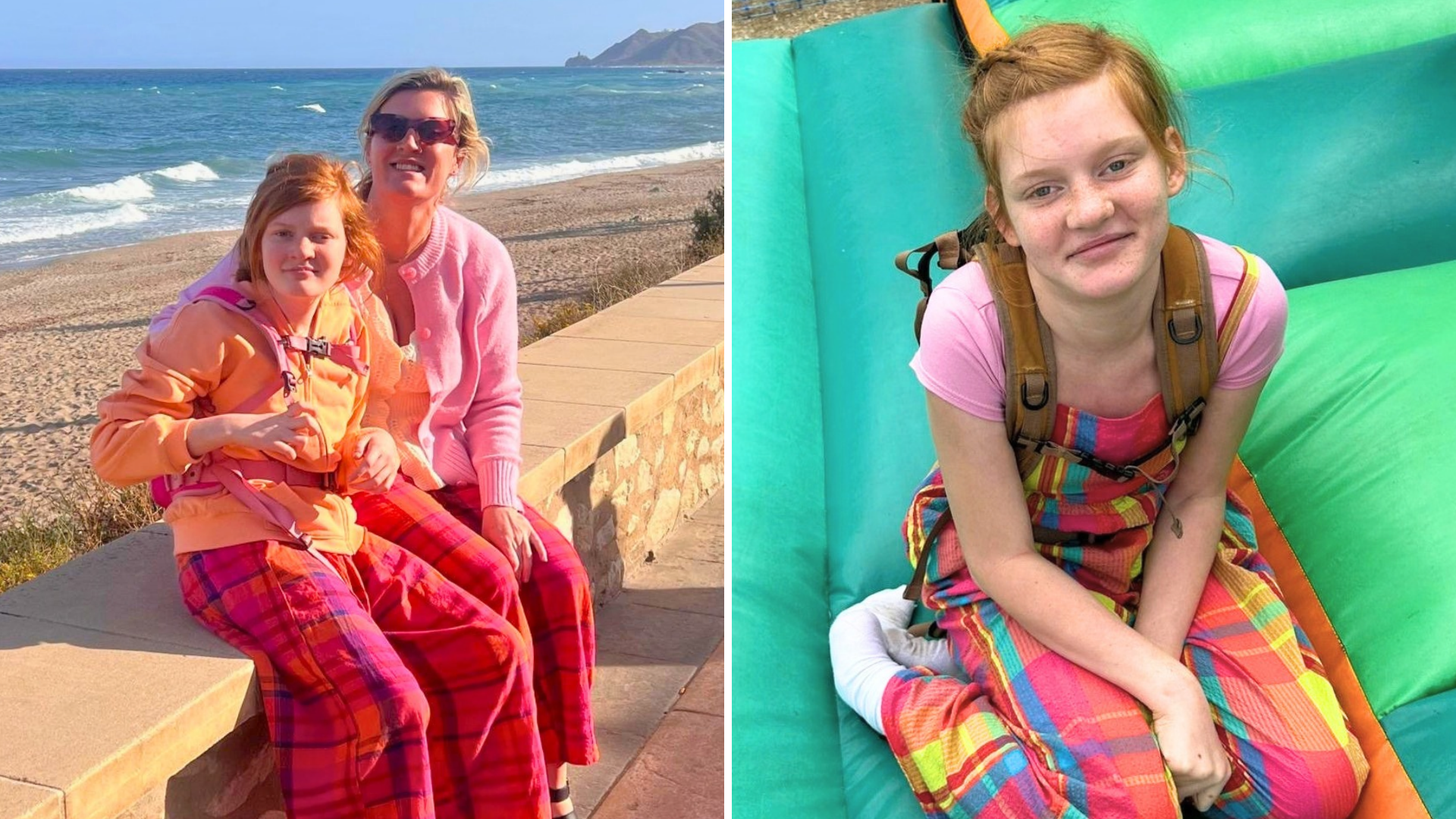
Tilly’s condition, a Cerebral Creatine Deficiency Syndrome known as GAMT deficiency, caused significant developmental delays and epilepsy. After she had developed symptoms, her condition was identified through Genomics England’s 100,000 Genomes Project – a previous research programme that finished recruitment in 2018.
“If Tilly's condition had been identified at birth, much of her disability today could have been prevented through early treatment,” Hana explained. “Tilly would have lived a completely different life if her genetic change had been picked up in the Generation Study. I hope that this new test gives families like mine who have children with treatable conditions a better quality of life and hope.”
Now aged 13, treatment has helped improve Tilly’s condition and outlook. “She can’t care for herself, but is now full of life and really happy,” Hana added.
Amy Thorpe is one of the hundreds of mothers whose baby took part in the Generation Study at the Princess Anne Hospital this year.
“We decided to take part in the Generation Study to help enhance knowledge and support the development of future treatments,” she said. “The experience was really informative and easy. We were in control the whole time, with no pressure to take part and no questions unanswered.
“We hope that, by taking part in the study, others in the future may be better informed to provide care for their newborn.”
UHS continues to invite eligible families receiving maternity care to find out more about the study and consider taking part.
For more information about the Generation Study, visit www.generationstudy.co.uk.