Young people take the lead on tackling ultra‑processed diets
Teenagers are embracing ‘food swaps’ after demystifying ultra-processed foods in a project led by University Hospital Southampton (UHS).
Young people quizzed academic, doctor and broadcaster Chris van Tulleken as they finished the work exploring the health effects of ultra processed foods.
The star of CBBC’s Operation Ouch! and author of Ultra Processed People was visiting the South to speak at an open day for the NIHR Southampton Biomedical Research Centre (BRC).
Ultra processed foods are now so common in the UK that they can be difficult to avoid, and teenagers are eating a lot of them. This can have serious consequences for their health.
These foods include sugary cereals, crisps, chocolate bars, fizzy drinks and ready meals.
Seven young people, aged between 14 and 17 years, worked with researchers on the REACH study as part of a Youth Panel hosted by LifeLab.
LifeLab is a collaboration between UHS, the University of Southampton and the NIHR Southampton BRC, and is based at UHS.
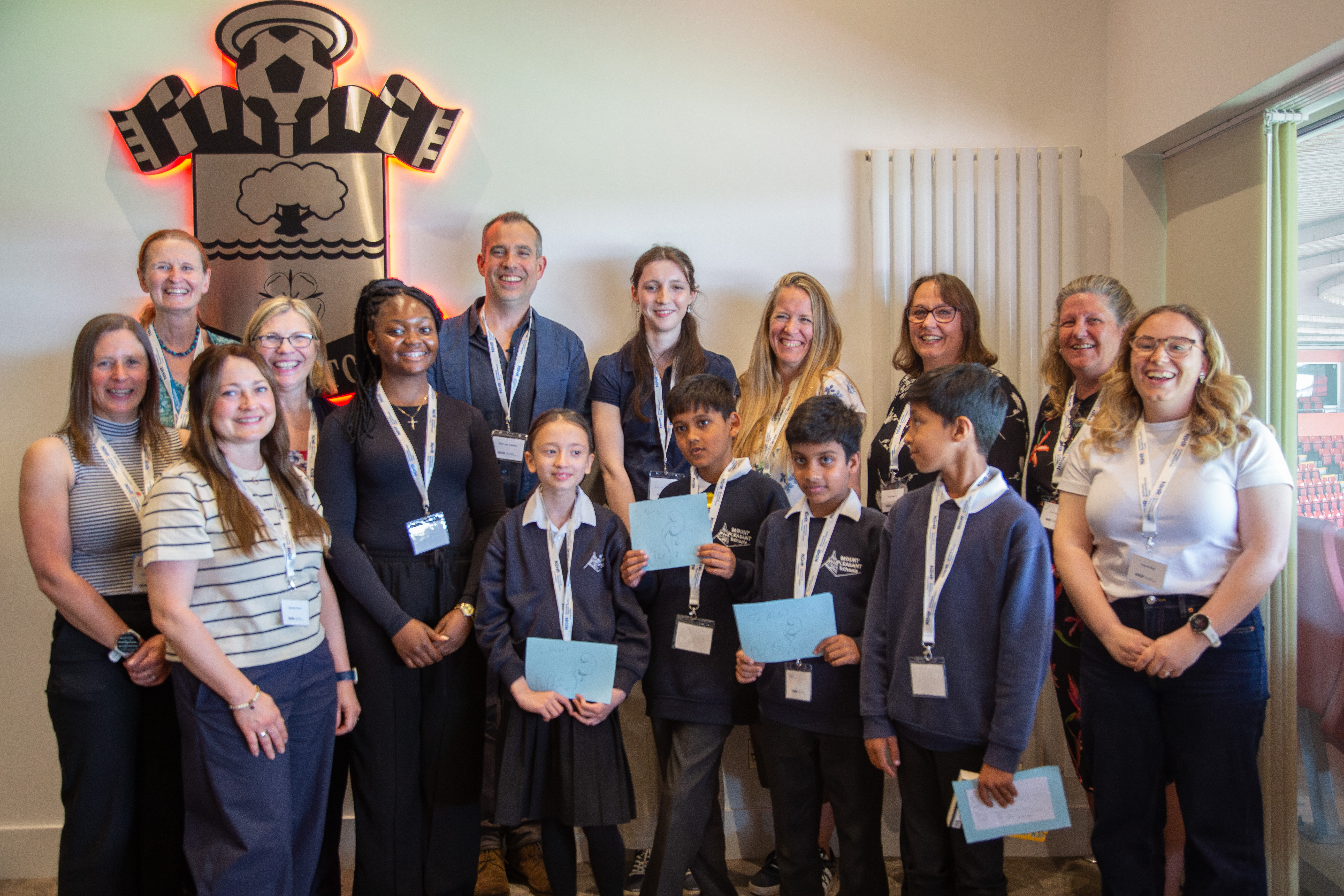
Over 12 weeks, the Youth Panel explored ultra processed foods and their effects on children and young people’s health. They discussed food environments, marketing, misinformation and behaviour change.
In the final sessions, they used their new knowledge and understanding to design solutions, working in partnership with the researchers. These included ideas such as ‘food swaps’, which provide a healthier choice that young people could use to replace an ultra-processed food in their diet.
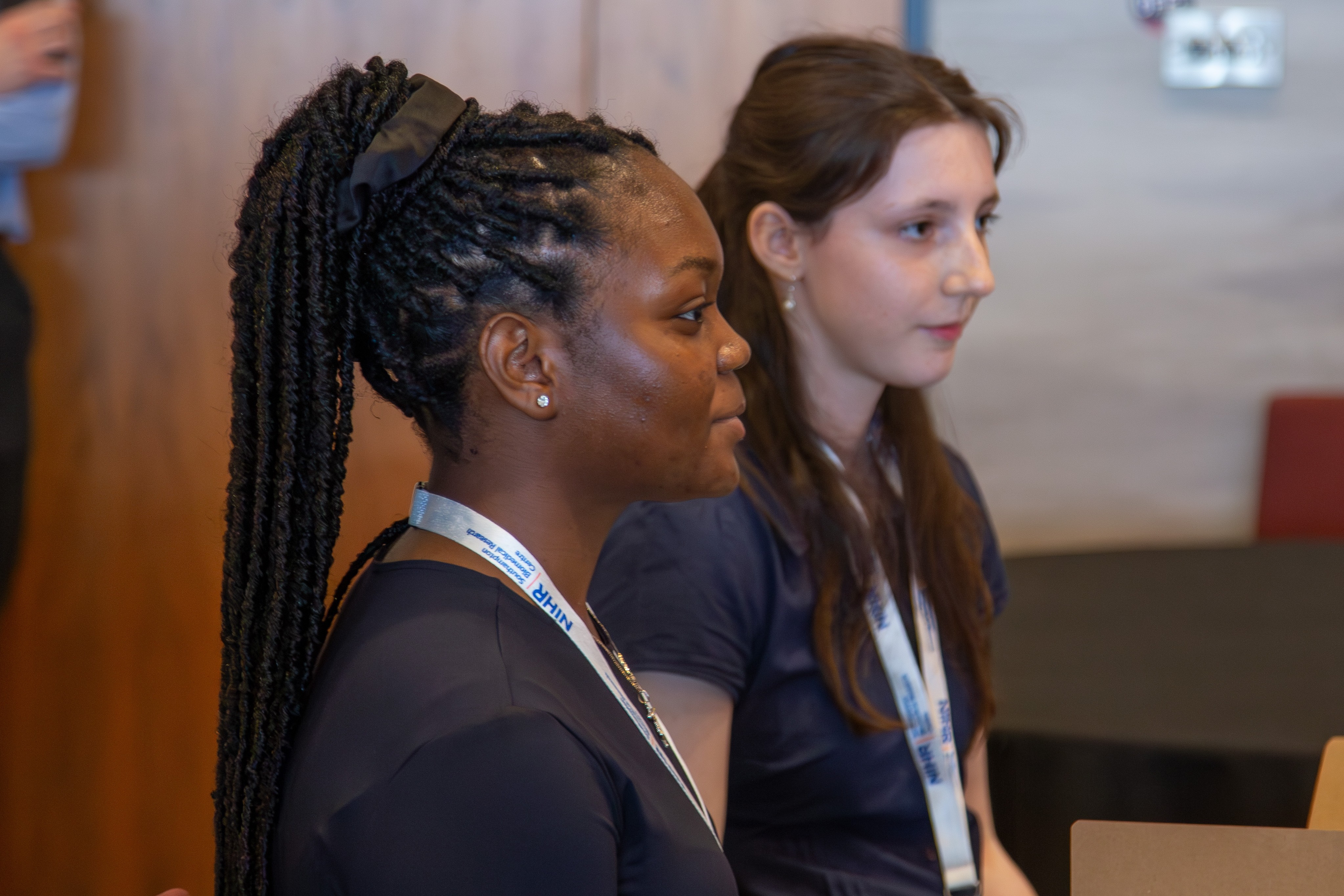
Youth panellist Meriel Armstrong said: “This has made me discover there are a lot of foods involved that you wouldn’t expect to be ultra processed. I’m definitely more conscious now of what I eat and the choices I make, and I have changed to eat more Greek yoghurt and fruit for breakfast.”
Fellow panellist Chichi Anozie added: “I didn’t previously realise the magnitude of how much this issue involves young people and the effect it can have on our health in the long term. This whole process has been very insightful and collaborative, and it’s got me talking to my friends to expand the conversation.”
In the UK, ultra-processed foods now make up over half the calories in our diet. For teenagers, this is even higher, making up almost two-thirds of the calories they eat.
They are cheap, tasty and have a long shelf life, meaning they have become a staple of the UK diet.
These foods are industrially produced. They are often high in sugar, fat and salt, and contain additives, preservatives and emulsifiers not used in home cooking.
However, a diet high in UPFs has been linked to numerous health conditions, including obesity, type 2 diabetes and cancer. It is also associated with poor sleep, anxiety and depression.
Professor van Tulleken is well aware of these health implications, both in his professional life and through personal experience helping his twin brother, Xand, find ways to reverse his weight gain.
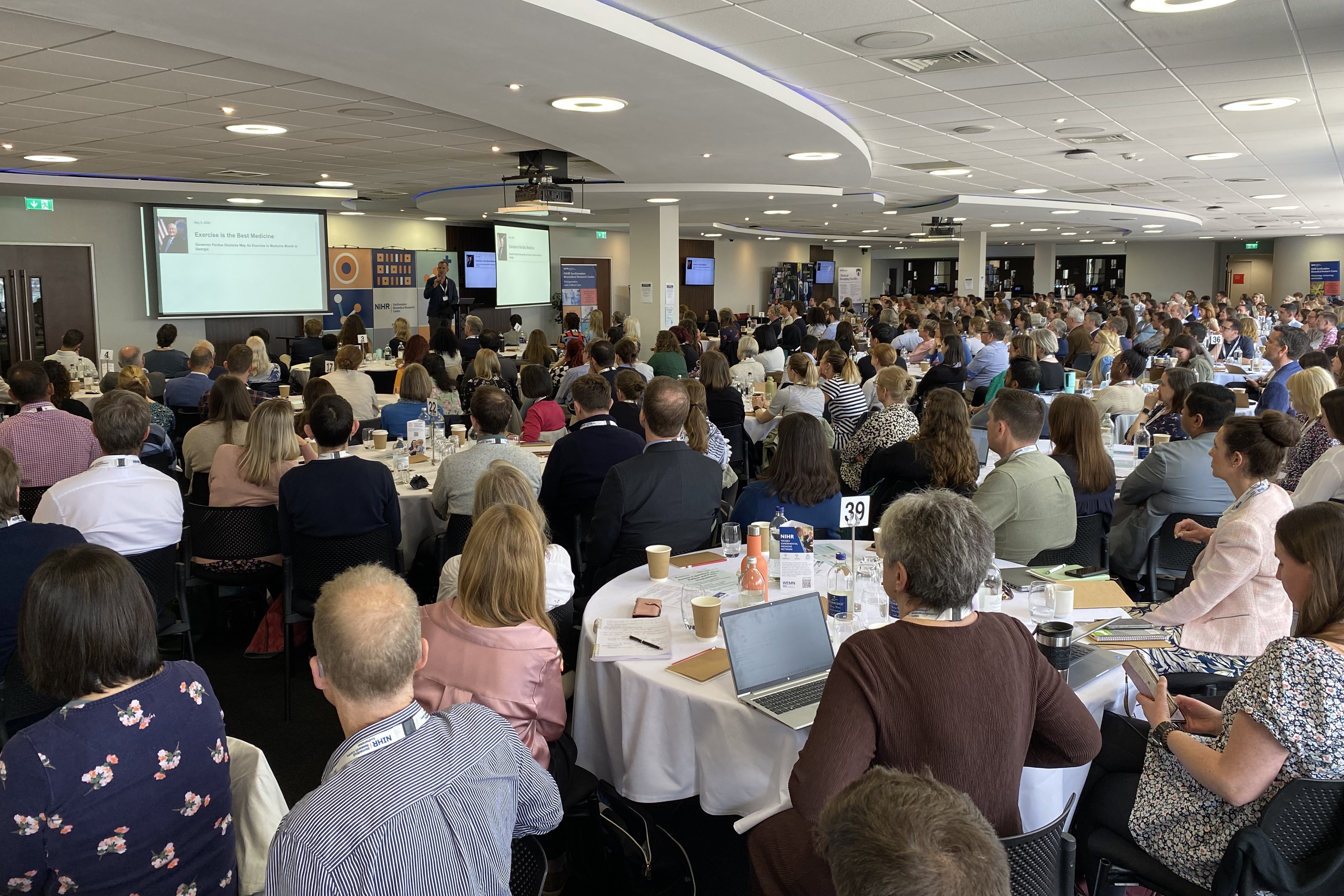
His address at the NIHR Southampton BRC open day at St Mary’s Stadium highlighted his efforts to bring public attention to the health effects of ultra-processed foods.
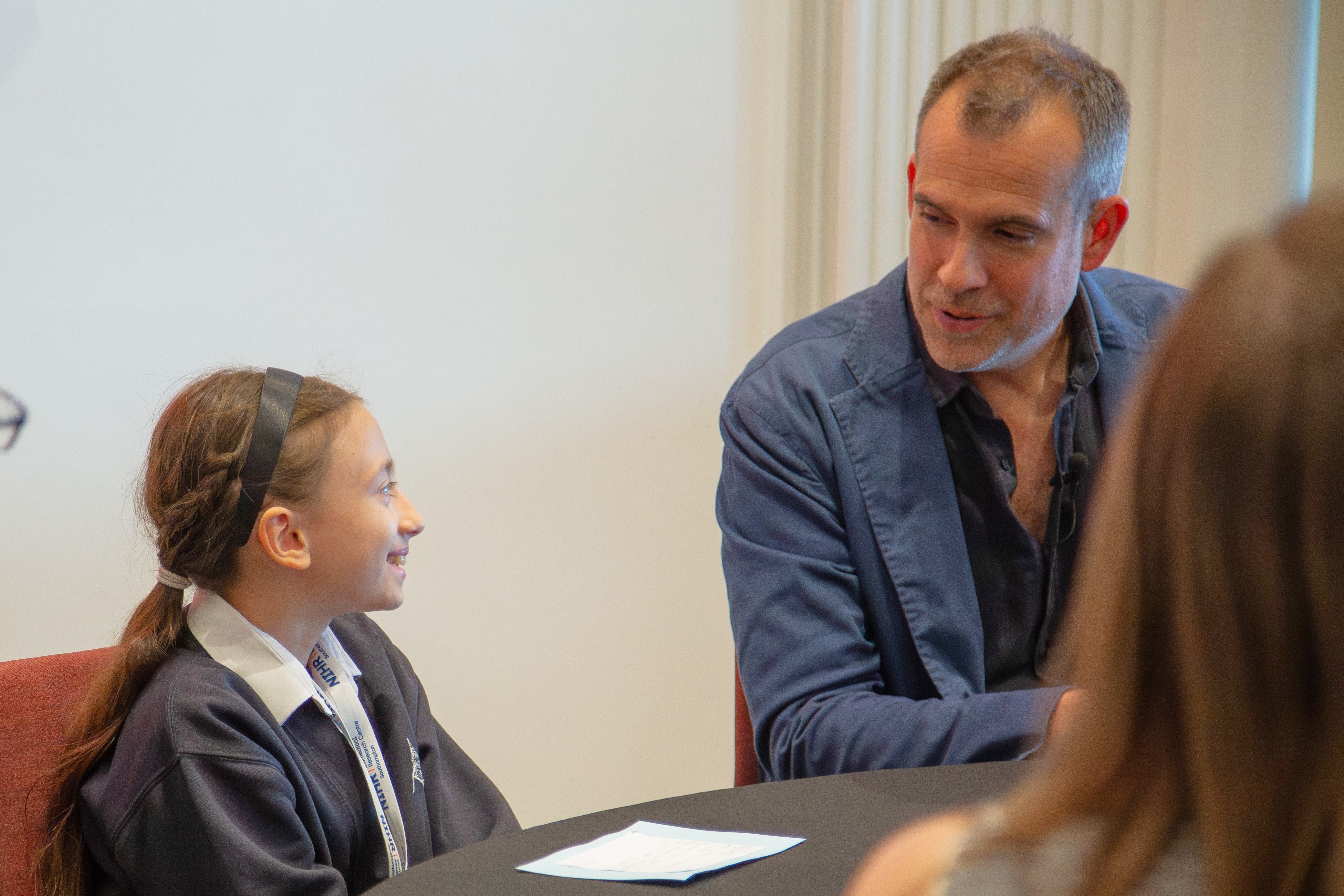
Following the talk, he spent an hour with the LifeLab Youth Panel and pupils from Mount Pleasant Junior School in Southampton. The teenagers presented him their findings and put their questions to him about the foods.
Professor van Tulleken said: “Young people can have an incredibly powerful and informed voice on ultra‑processed foods, and they are often the ones most affected by the food environments we’ve created.
“Meeting children and young people who are so engaged, curious and solutions‑focused on this issue has been genuinely inspiring, and it reinforces why they must be part of the conversation.”
LifeLab set up Youth Panels in 2022 to provide a space for young people to discuss health issues that concern them. They are employed as equal partners on projects, allowing them to create and implement solutions to improve their own health and the health of other young people.
The REACH study is funded by the NIHR Wessex Experimental Medicine Network. The network is hosted by the NIHR Southampton BRC and supported by Wessex Health Partners.
Dr Caroline Anderson, a Clinical Academic Paediatric Dietitian at UHS, led the REACH study. Her research has been supported by UHS through a Research Leaders Programme award and more recently the NIHR SCPRA (Senior Clinical Practitioner Research Award).
“Ultra processed foods are a growing concern for young people, particularly those with long term conditions. Yet most conversations about UPFs happen about young people, not with them,” she said.
“The REACH study aims to change that. We’ve worked in partnership with them to hear their views and come up with solutions together.”
Professor Kath Woods-Townsend, REACH study co-lead and LifeLab Programme Director, said:
"I am always amazed by the depth of engagement and insight we see from our LifeLab Youth Panels when they're given the space to explore health issues that matter to them.
"Our research shows that despite school food standards intended to restrict foods high in fat, salt and sugar, young people often find their canteen looks more like a fast-food outlet than a healthy eating environment - making ultra-processed foods feel like the only realistic option. That's the context in which these young people are navigating their food choices, and it's exactly why their voices need to be part of the solution."