Children with an aggressive form of cancer are being given new hope in a world-first, international clinical trial that is testing a new three-part treatment.
The study, involving doctors and cancer scientists in Southampton, America and Germany, will boost the body’s immune system to kill off neuroblastoma, one of the most common childhood cancers.
Understanding neuroblastoma
Neuroblastoma affects around 100 children, mostly under the age of five, in the UK every year. It develops from immature nerve cells and usually starts as a tumour in the abdomen or the chest. In many children, it spreads to other places in the body such as the bones and bone marrow.
In those cases, less than half of patients are cured, despite intensive treatment including surgery, chemotherapy, radiotherapy and stem cell transplants.
Improving survival rates
More recently, a form of immunotherapy known as anti-GD2, which uses antibodies to lock onto cancer cells so the immune system can find, fight and destroy them, has shown the potential to improve survival rates.
This pioneering study, led by Dr Juliet Gray, a consultant paediatric oncologist at Southampton Children’s Hospital, involves combining mIBG, a special form of targeted radiotherapy which delivers radioactive iodine directly to neuroblastoma cells, with two different antibody therapies – including anti-GD2 – in the hope it will produce better outcomes for patients.
The second antibody therapy, Nivolumab, has shown positive results in adult cancers. It blocks harmful proteins and gives patients’ own immune cells a boost so they can be set free to kill tumour cells.
Patients will undergo an initial course of the mIBG-targeted radiotherapy followed by a combination of Nivolumab and anti-GD2 over a period of six months. Although the initial stages of treatment will require hospital admission, it is hoped that the therapy will eventually be delivered largely on an outpatient basis.
Hope for the future
“Immunotherapy with anti-GD2 has been shown to increase the number of children with neuroblastoma who stay in remission and has become a standard component of treatment – but sadly a large number of children still relapse and die from their disease,” explained Dr Gray who is also an associate professor of paediatric oncology at the University of Southampton.
“Work in the laboratory has shown that combining these types of antibodies with radiotherapy is potentially a very powerful way of eradicating neuroblastoma tumours and these three different therapies appear to work together to generate strong, protective immunity to the tumour.
“This trial will be the first time they have been tested together and we are hopeful the combination of treatments will substantially improve the cure rate of children with this form of cancer.”
More information
The Phase I trial is funded by UK charities Solving Kids’ Cancer (Europe), JACK and US charities Solving Kids’ Cancer and Band of Parents.
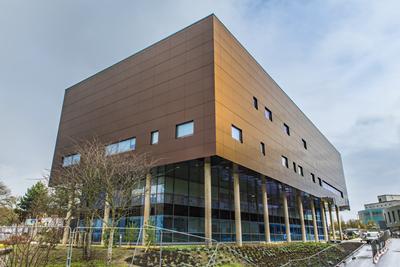
It will be one of many to be conducted at the University of Southampton’s Centre for Cancer Immunology, which is the UK’s first and only centre dedicated to cancer immunology research.
Posted on Thursday 11 October 2018